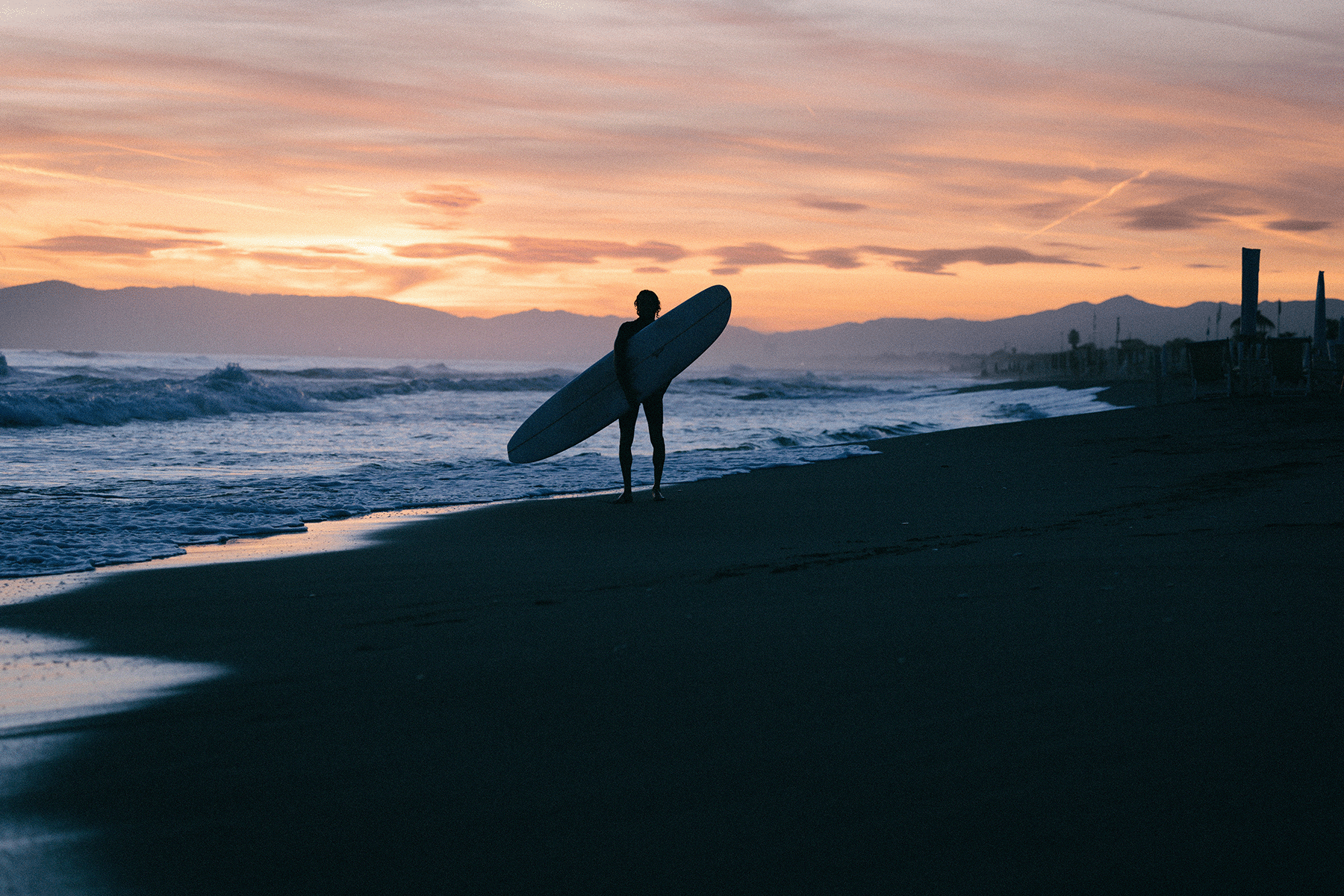








Sunset Surf Photography on the Versilia Coast
Discover sunset surf photography on the Versilia coast: panning, fast shutter speeds and how the Manfrotto ONE Photo tripod keeps up with every wave.
I look outside. The afternoon light is beginning to soften. The Libeccio wind that swept across the sea yesterday seems to have eased. I check the forecast app.
Waves. Confirmed.
WhatsApp is already buzzing. A couple of photos from the pier show clean, regular lines approaching the shore. While I make a coffee, I check the different beaches along the Versilia coast. After the Libeccio comes the fading swell, and I already know where I want to go. I send a couple of voice notes to the guys, grab my camera bag and tripod case, and head out.
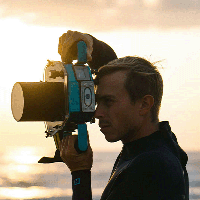
Video: Jacopo Cosmelli (filmmaker) · @apetauro.
Chasing the sunset: a surf session in Versilia
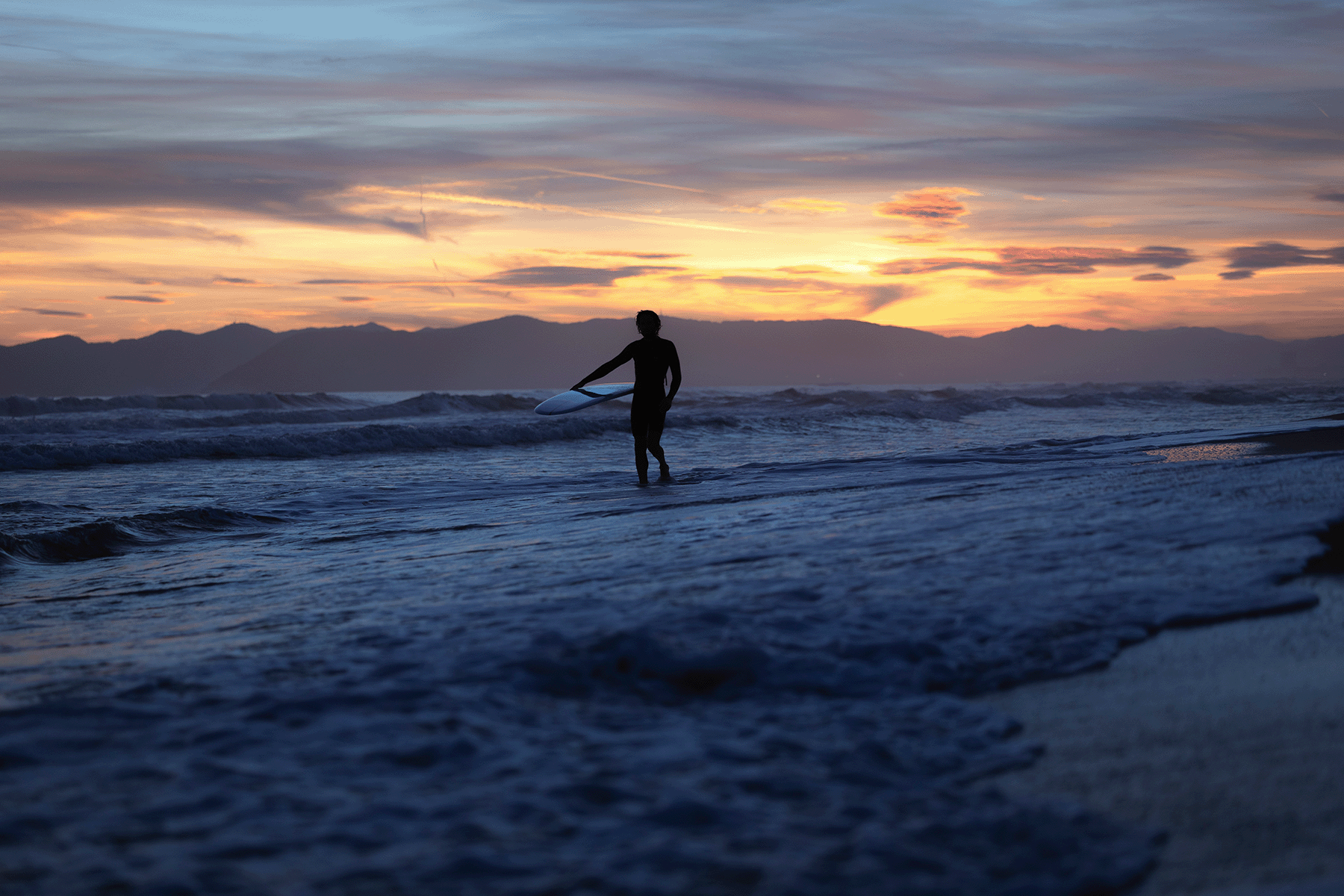
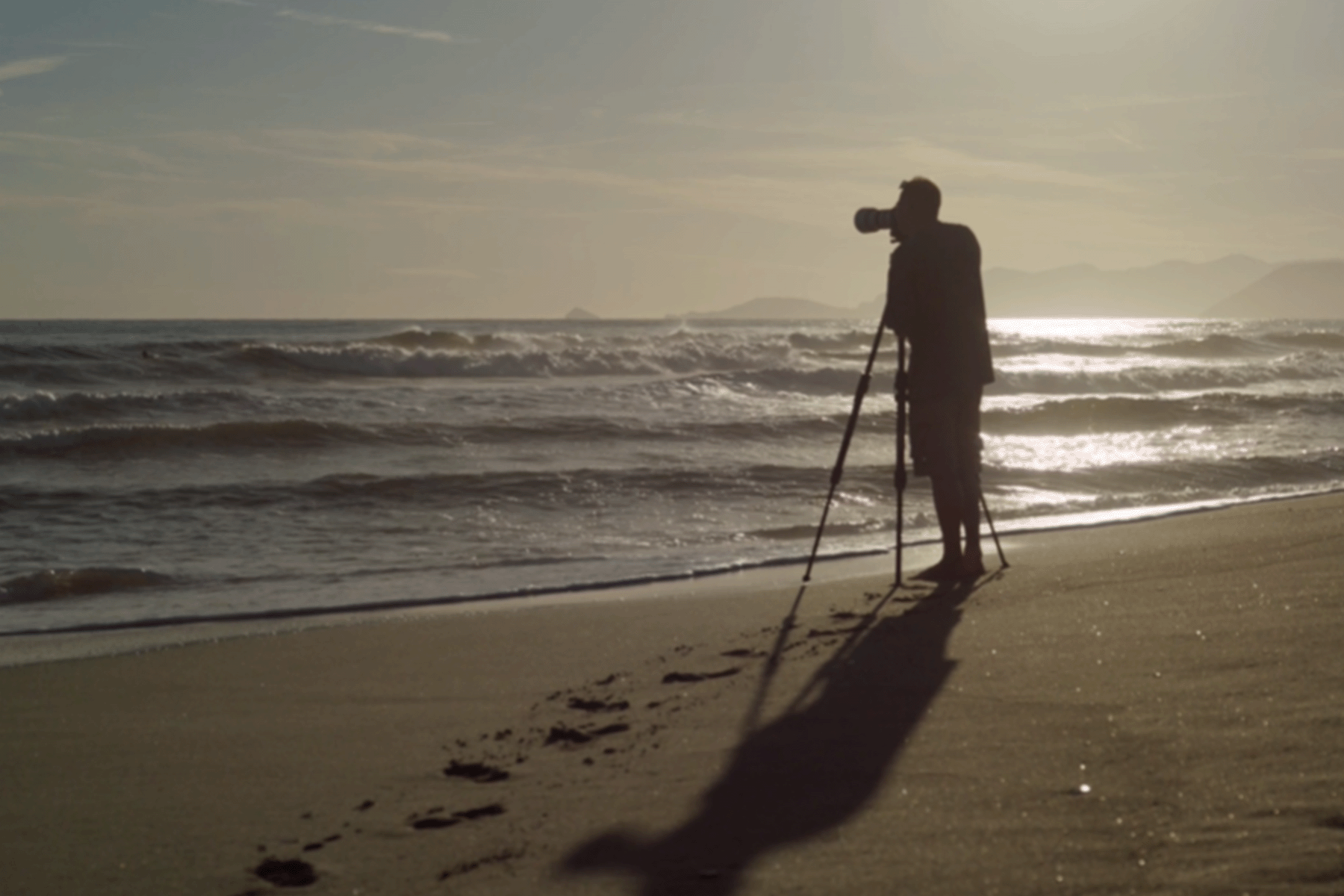
When I arrive, Ponza is already there, wetsuit on and longboard under his arm. The sea shifts from blue to warm reflections as the sun lowers towards the horizon. Every few minutes, three or four clean swells roll towards the shore. Sunset is still half an hour away and Ponza is already walking into the water. By the time I find a good spot on the beach, just above the waterline, he’s paddling out and the first set is appearing on the horizon.
Knowing him, I’m sure he won’t let it pass.
Putting the Manfrotto ONE Photo tripod to the test
I unzip the ONE bag and pull out the . It’s brand new, and this is the first time I’ve used it. Right now, though, there’s no time to get acquainted.
I reach for the XTEND levers. With a single lever on each leg, I can release all the leg sections at once instead of opening them one by one. Within seconds the tripod is open. It catches me slightly by surprise: I don’t think I’ve ever set one up this fast. During a session like this, with the sunset light changing and Ponza already lining up for the first wave, those few seconds matter.
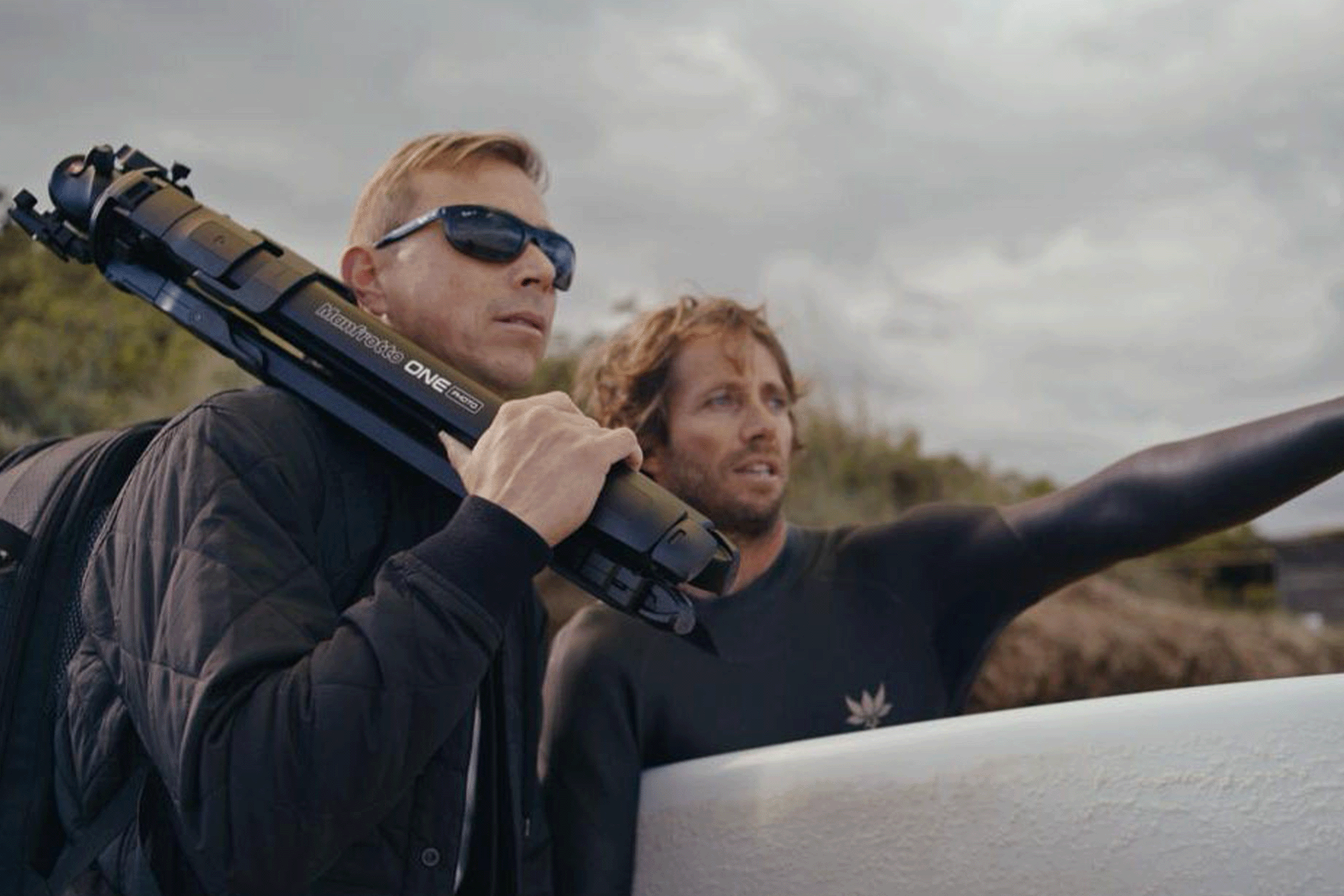
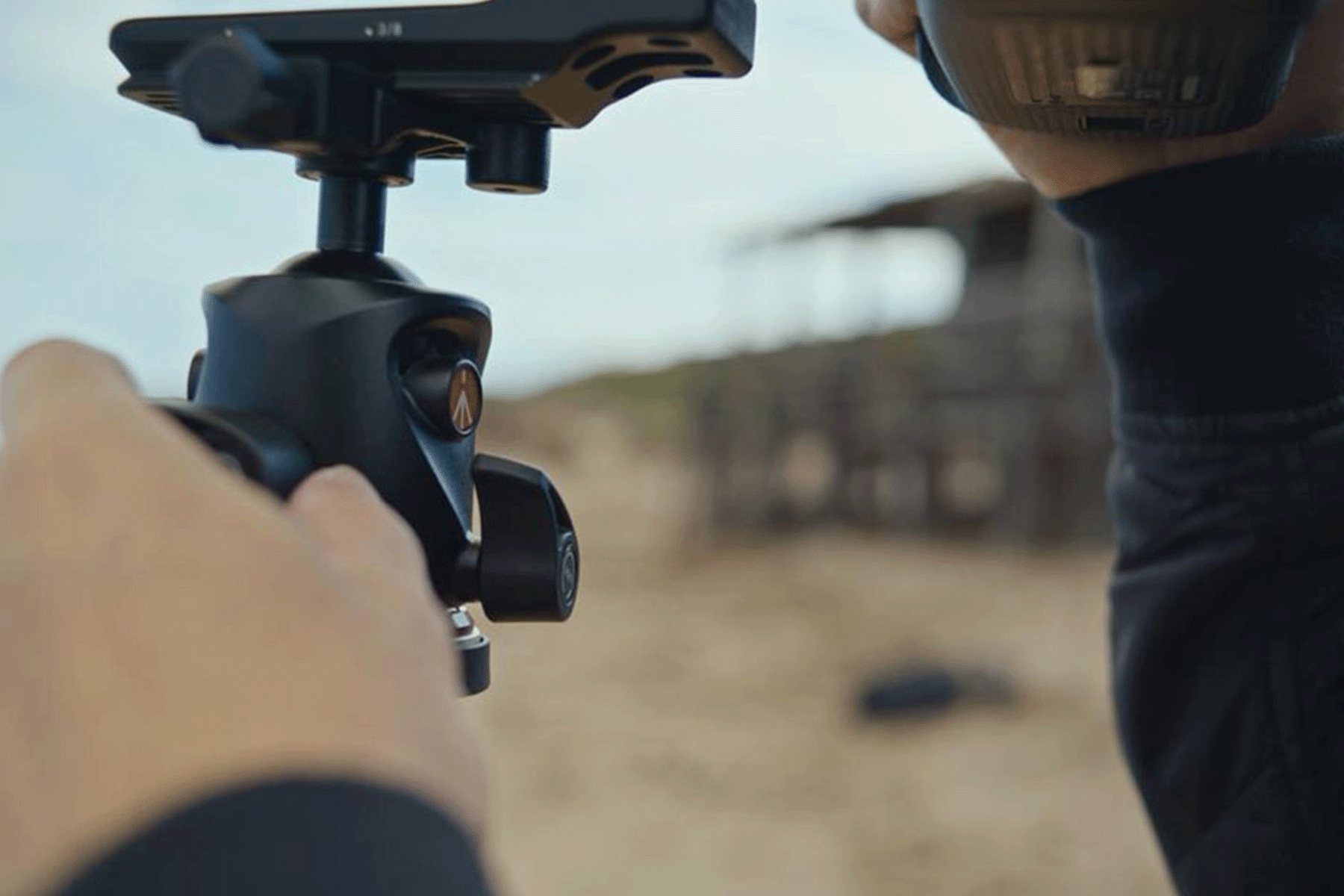
The sand beneath me isn’t perfectly level, so I adjust the legs until I have the height and position I want. Once everything’s locked, the setup feels solid. With a 200mm lens pointed at a moving subject out at sea, that stability makes a difference. I pull out the camera. I’d left the Arca-Swiss plate mounted on the telephoto lens, so it takes just another second to lock it onto the . The head feels familiar straight away: the controls are exactly where I expect them, and I can adjust the friction or lock the ball without taking my eyes off what’s happening in front of me.
The art of panning in surf photography
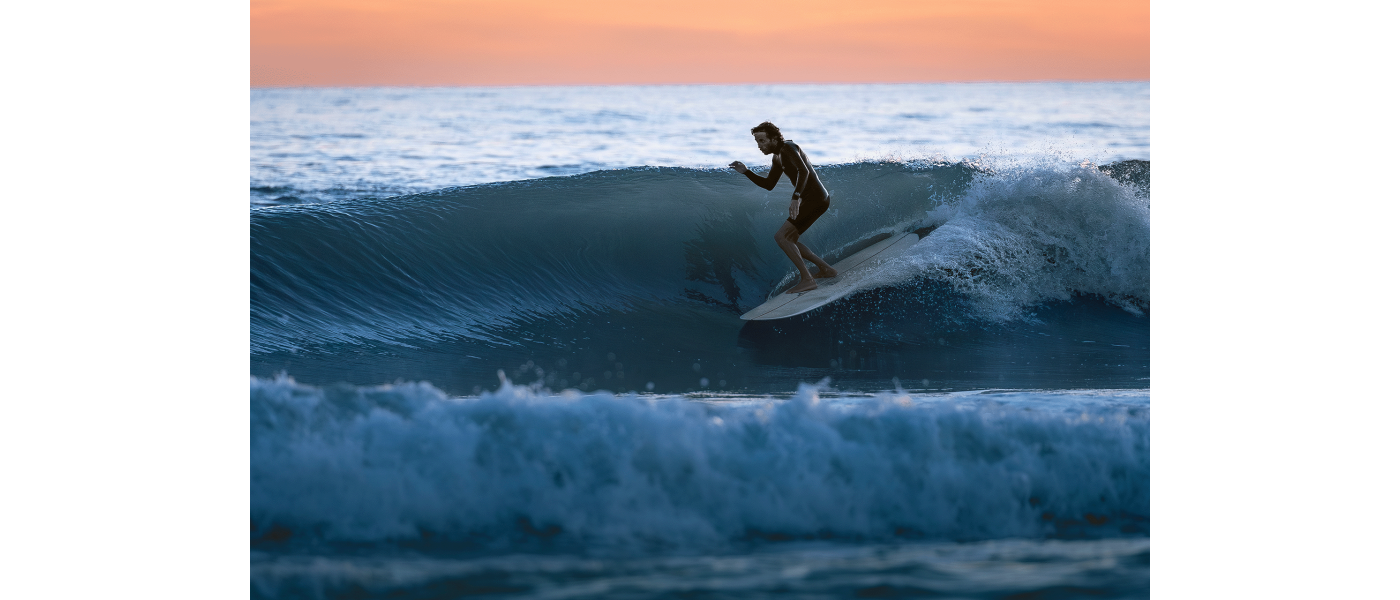
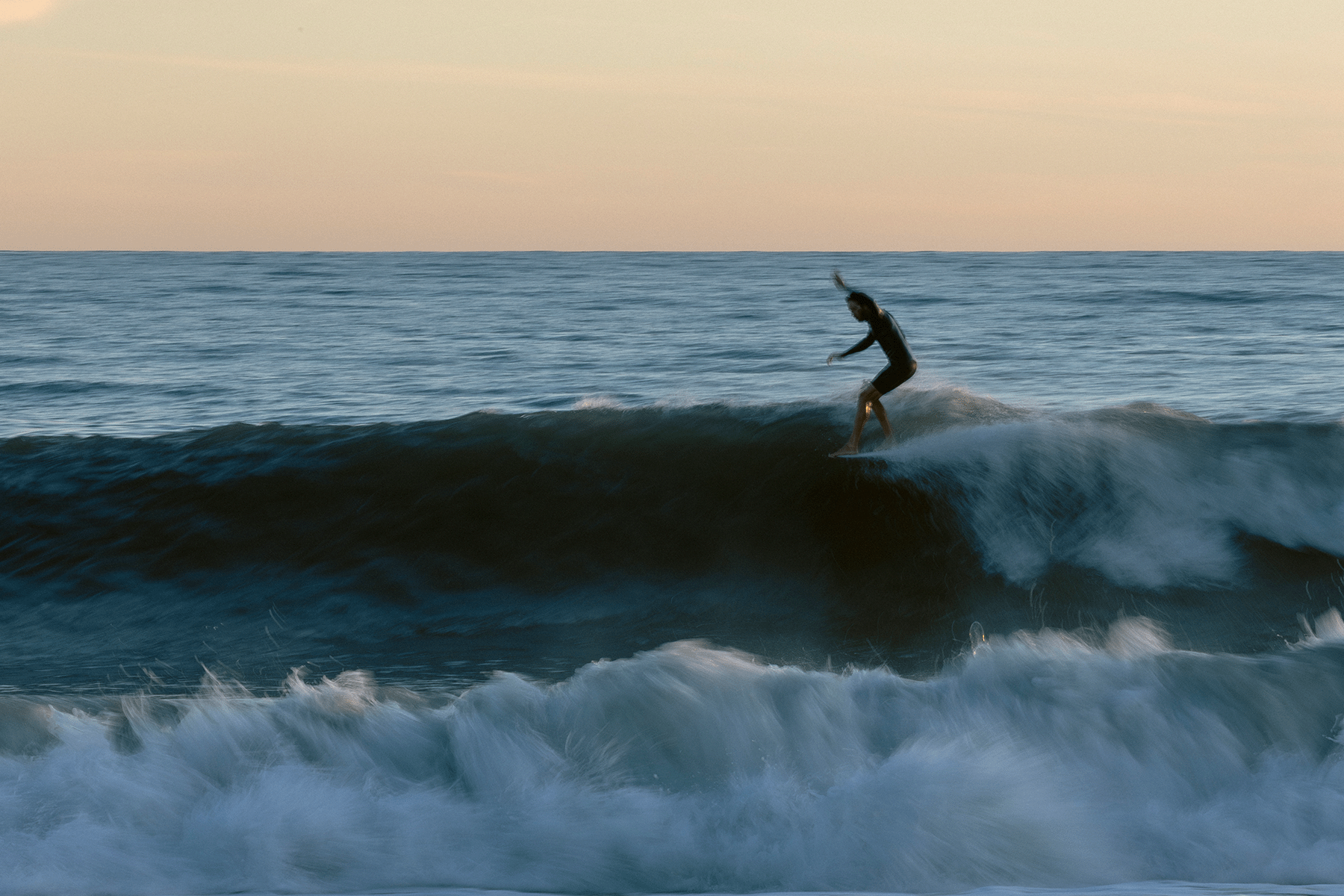
I frame Ponza. The wave is already behind him. He pushes the white board across the surface and, with a few powerful strokes, starts picking up speed. His final paddles take him diagonally across the face. The mass of water catches the longboard and Ponza rises in one quick, delicate movement. Droplets catch the warm sunset light and sparkle around him, making him look suspended for a moment.
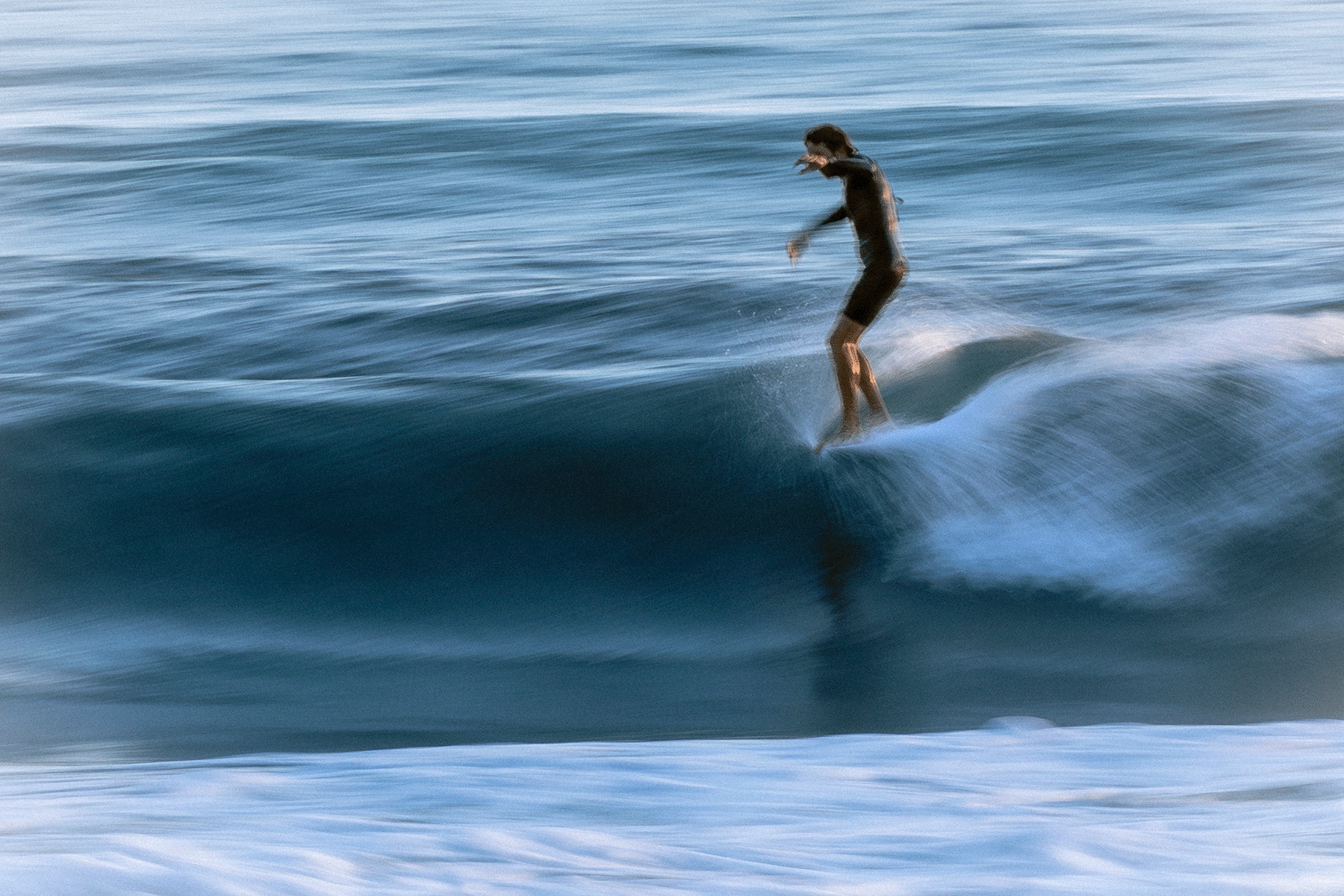
I follow him through the lens. From where I’m standing, his line cuts diagonally across the frame, so I ease the friction on the XPRO Ball Head slightly. I’m after a long panning shot as he rides the wave, and that means balancing stability with fluidity. Leaving just enough resistance in the head gives me control while still letting me track him smoothly as he cross-steps towards the nose of the board.
I want the water to burst into white streaks around him, so I slow the shutter down. I stop down the aperture and let my Canon R1 handle the rest. The meter reads one tenth of a second.
I shoot. I shoot. I shoot.
Finding a new perspective with the Q90 column
Then I realise the composition would be cleaner if I shifted the camera slightly to one side. The wave is already over and he’s paddling back towards the peak. I want to change my point of view without giving up the spot I’ve found: the height is right, the light is coming from exactly where I want it, and the tripod is firmly planted in the sand.
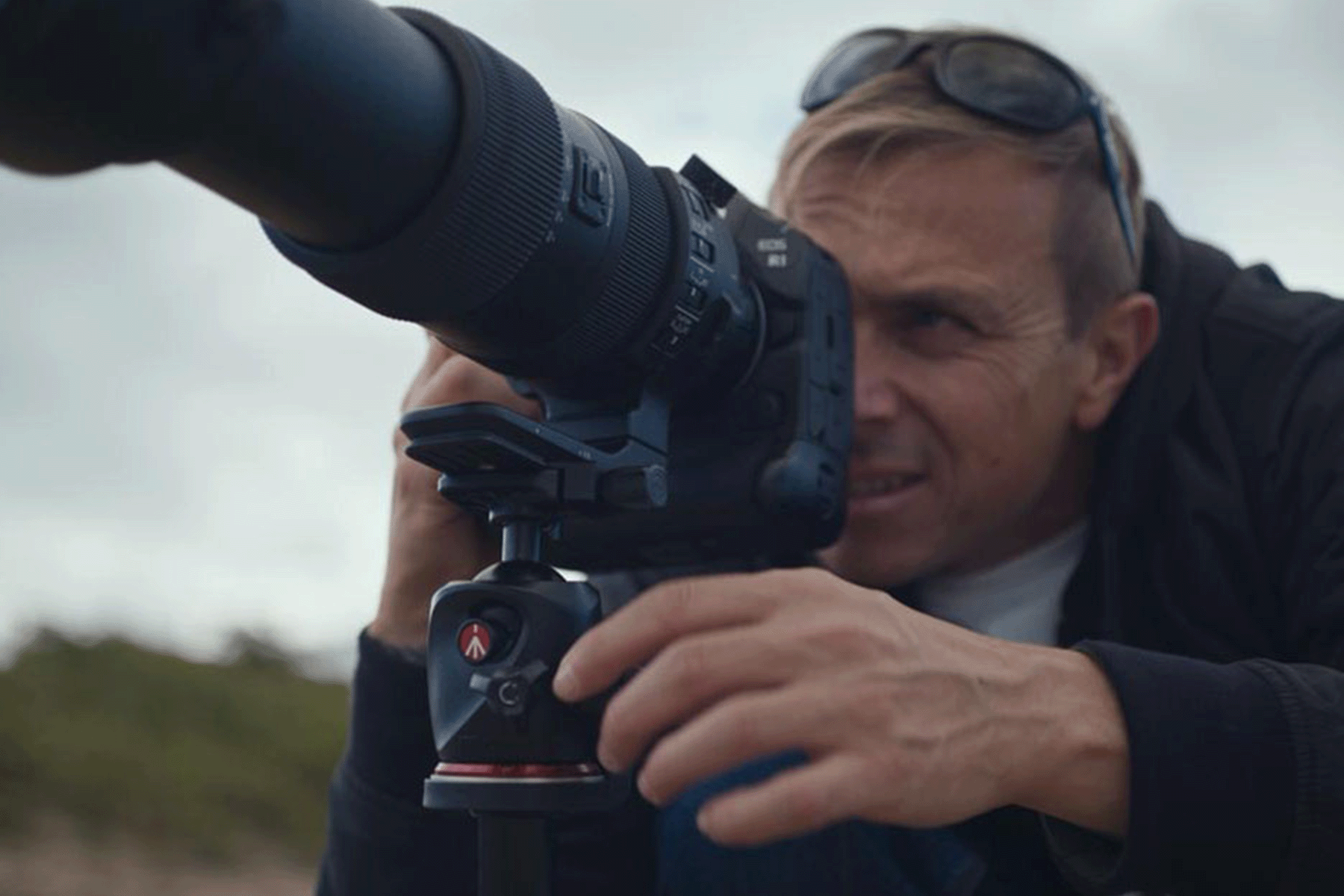
Then I remember the ONE Photo’s Q90 column system. Instead of picking everything up and hunting for another position, I extend the centre column, press the release and rotate it horizontally. The camera shifts sideways, just enough to find a different composition.
Same position. Same stability. Different point of view.
It’s a small adjustment, but it means I can keep the spot I’ve already found and get straight back to shooting.
Freezing the action with a fast shutter speed
The sun is lowering towards the horizon over the Tyrrhenian Sea, catching the crests of the waves. Ponza is sitting on his board, waiting for the next set. He goes again.
This time the wave starts to close out. He pushes on the tail, lifts his arms and carves back to the left. Spray rises above his head, and suddenly the photograph I want has changed completely. The panning effect is out. Now it’s all about speed and precision.
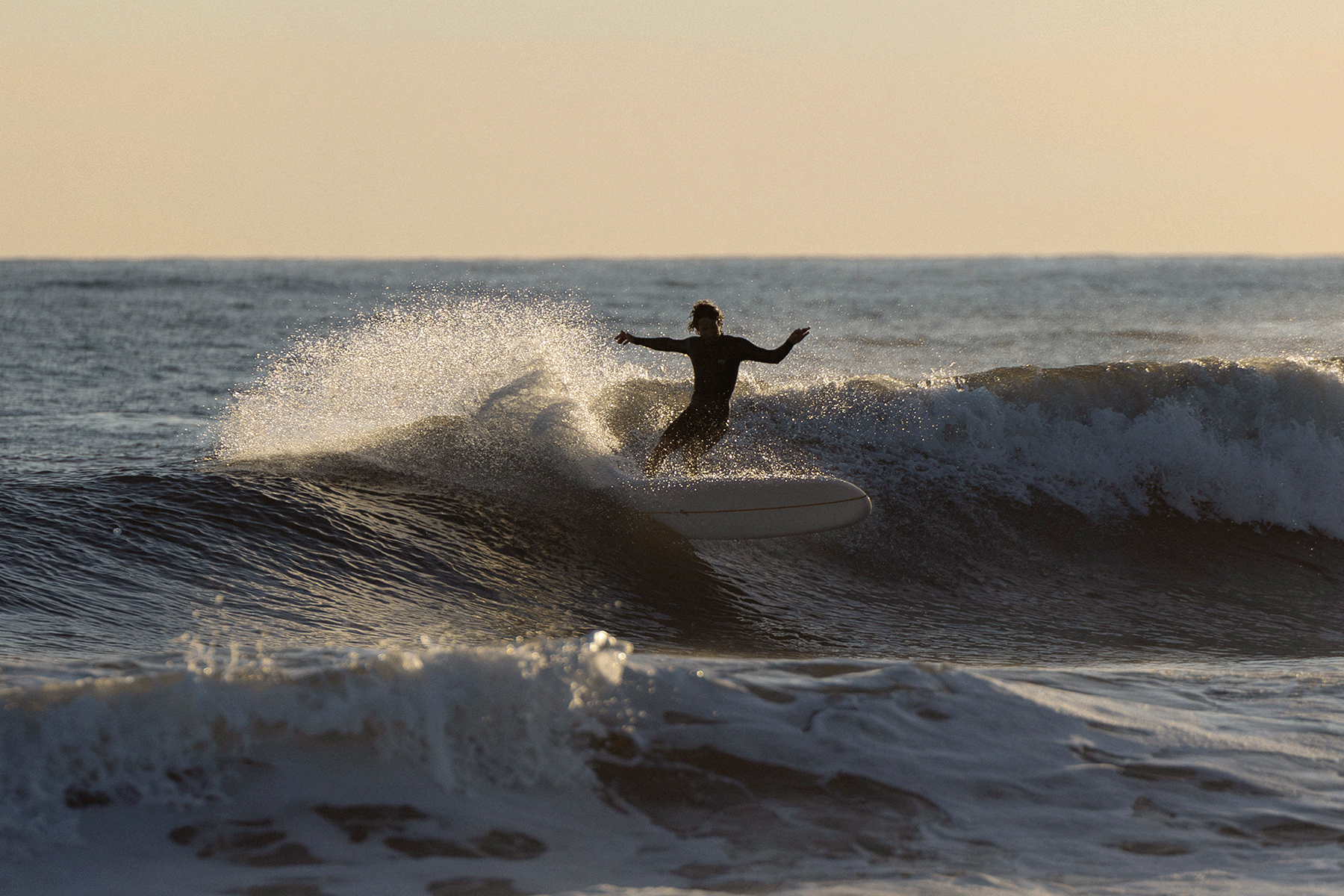
I bump up the shutter speed and loosen the XPRO Ball Head. With the camera and the 200mm supported by the tripod, I can concentrate entirely on Ponza’s movement. I shoot in sequence, following him as he changes direction and keeping him centred in the frame. He makes a bottom turn and comes back to the right. For a few seconds everything lines up: the wave, the spray, the last glints of sunlight and his movement across the board.
Then it’s gone.
Ponza lies back down and starts paddling out again. The sea goes almost flat, and from the beach I wait with him for the next set.
Why your tripod matters in surf photography
The way Ponza moves on a surfboard is a constant source of visual inspiration for me. Every wave is different, every movement slightly unpredictable. You can prepare as much as you like, but once you’re out here everything happens fast: the light changes, the waves change, your subject changes direction. Your equipment has to keep up and let you focus on the shot. The did exactly that.
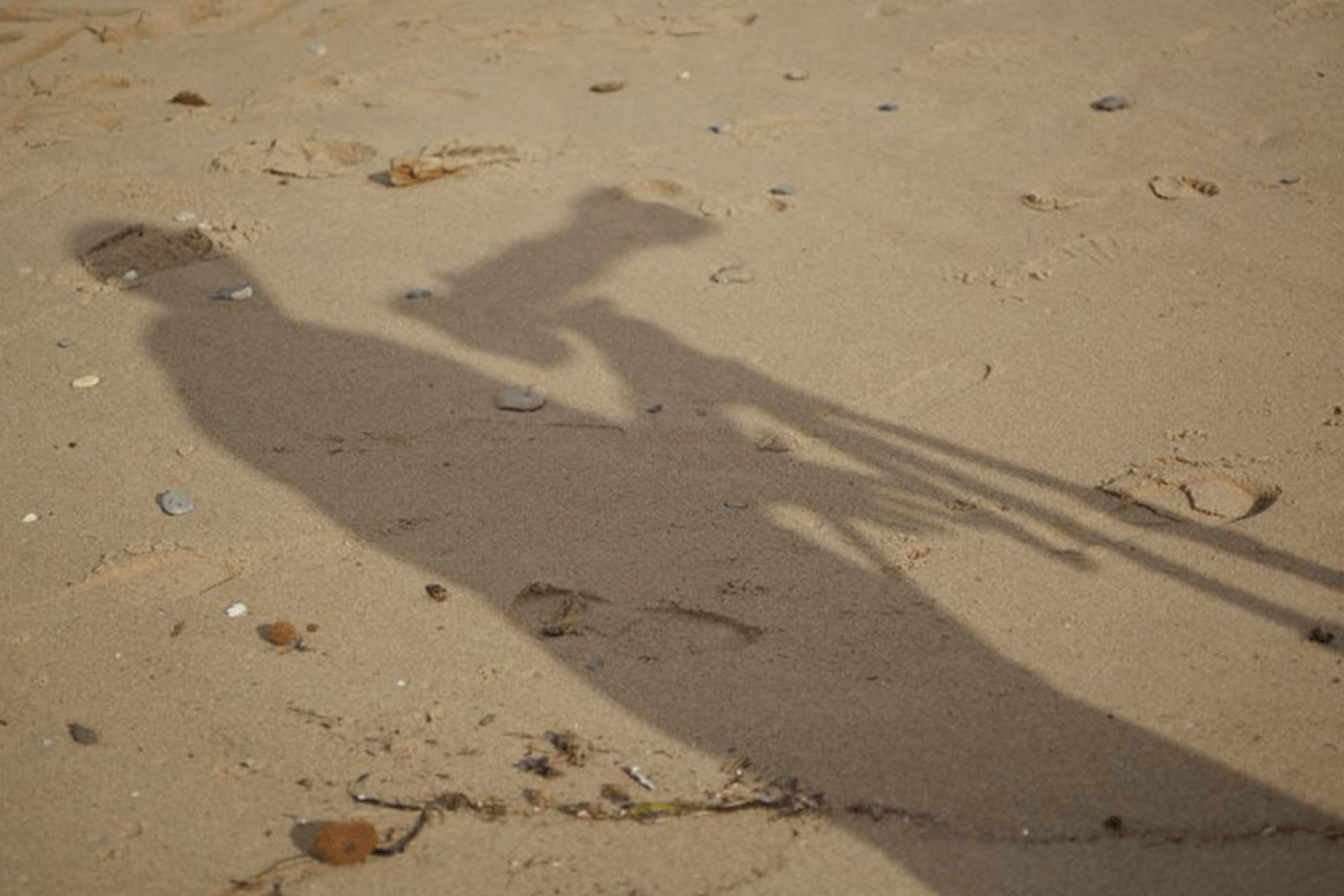
I watch Ponza heading back out and I adjust the tripod. The next set is already forming on the horizon.
What a magnificent way to end the day.